Plant protection products (pesticides)
About plant protection products (PPPs)
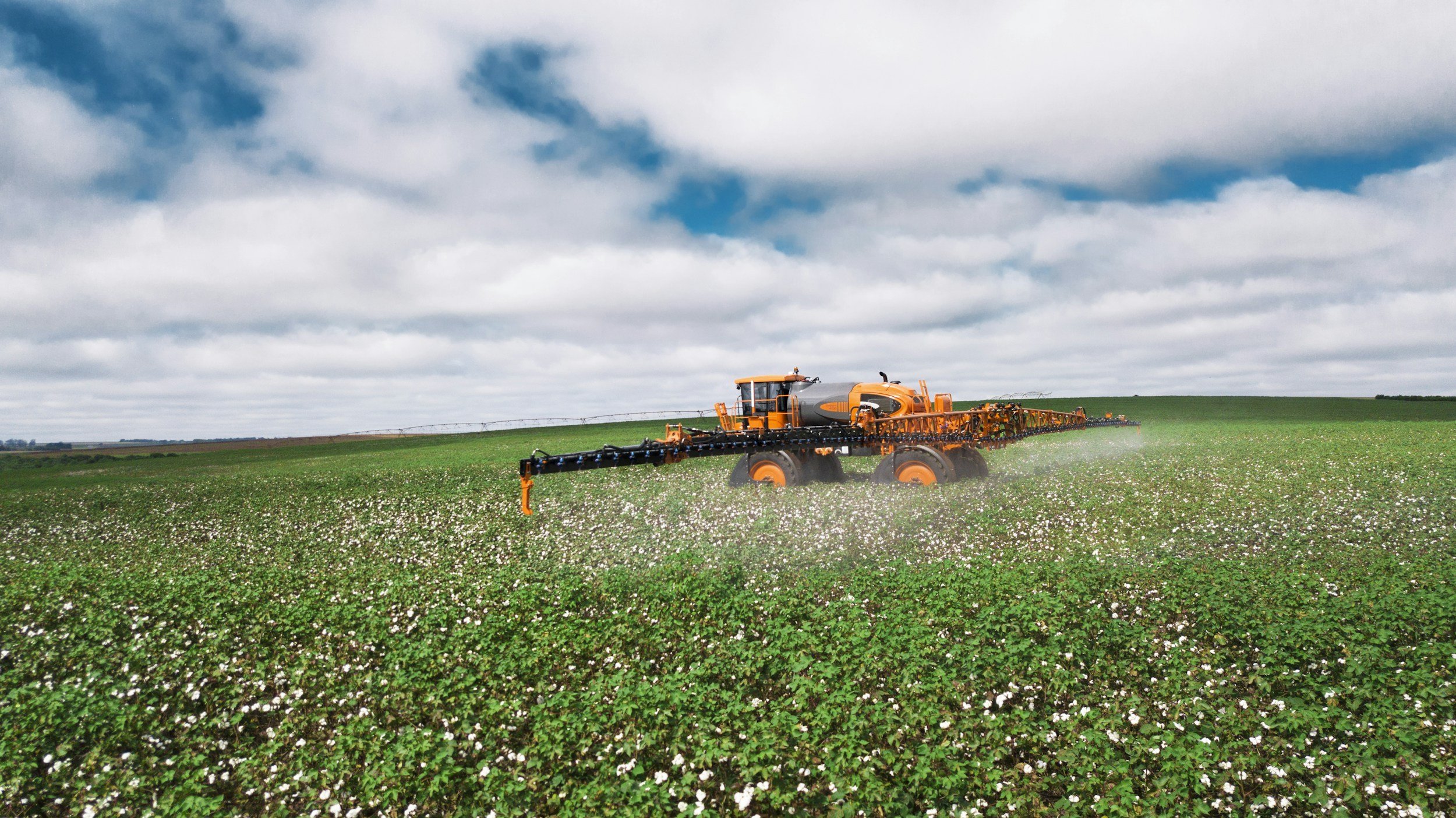
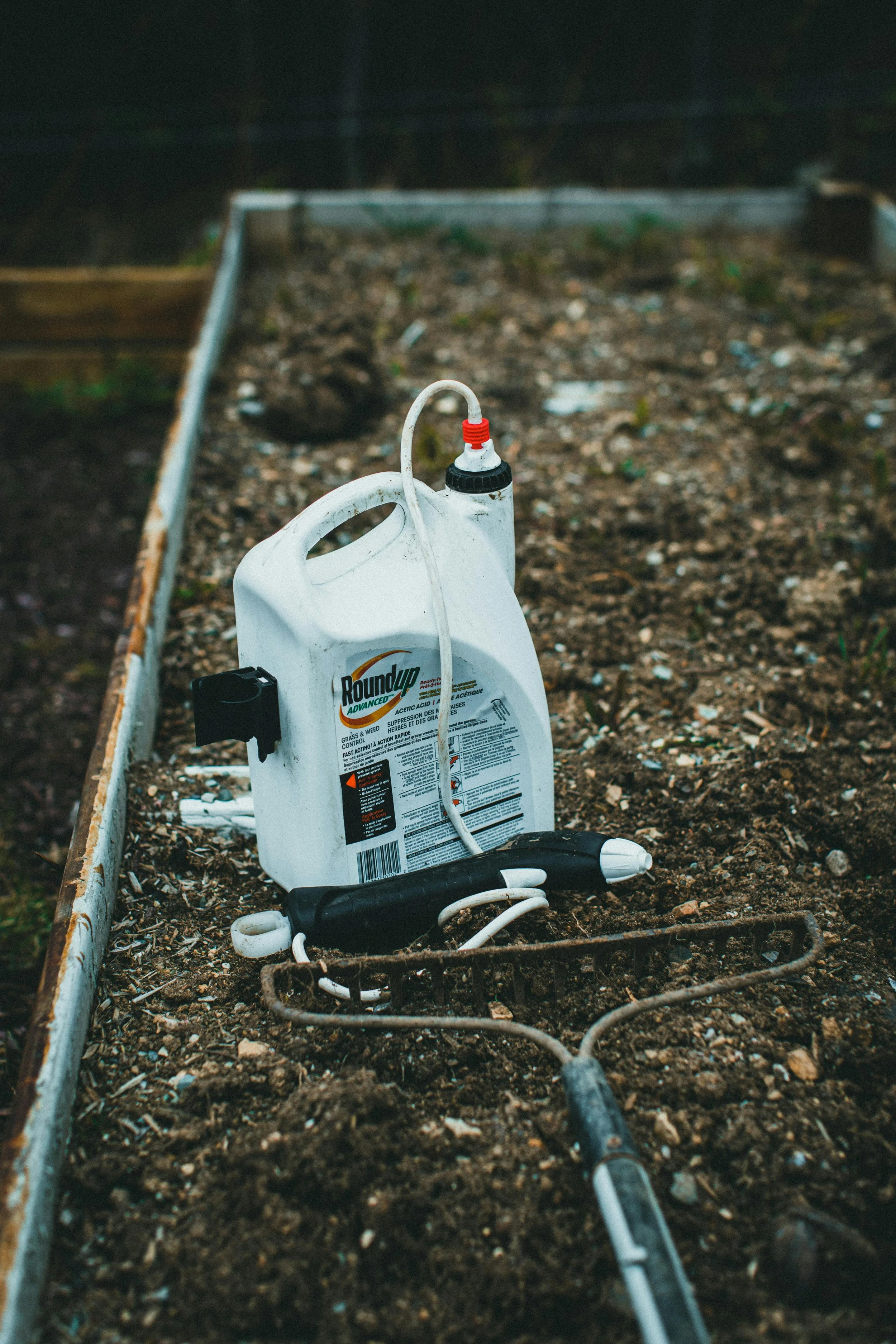
Plant protection products (PPPs), also known as pesticides, are used to control pests, weeds and diseases. There are many different types of PPP and common examples include insecticides, fungicides, herbicides, molluscicides and plant growth regulators. They contain at least one active substance and usually include other components called co-formulants and may also contain safeners or synergists.
Such products are beneficial in that they help ensure we have a good supply of safe, high quality, reasonably priced, locally-grown foodstuffs, as well as maintain the safety of our public spaces, industrial sites and transport infrastructure, manage flood risks, control invasive species and provide access to high quality sporting facilities. They can also be used by amateur gardeners.
However, as these chemicals are designed to disrupt life processes, they are regarded as inherently hazardous. PPP legislation seeks to identify these hazards and manage the risks to people and the environment associated with their use. As a result, PPP legislation regulates all parts of the 'life-cycle’ of PPPs.
Approval and authorisation of PPPs
Regulation (EC) No 1107/2009 concerning the placing of plant protection products on the market regulates the supply and use of PPPs. It lays down rules for the approval of active substances, the authorisation of PPPs in commercial form and their placing on the market and use.
Under the Regulation, PPPs must not be placed on the market or used unless they contain approved active substances and an authorisation has been granted. The Regulation also sets down rules on the placing on the market and use of adjuvants (products that are not themselves PPPs but which are intended to be mixed by the user with a PPP to enhance its effectiveness or other pesticidal properties) and for the labelling, packaging, use and advertisement of PPPs.
The Sustainable Use Directive (Directive 2009/128/EC) establishes a framework for reducing the risks and impacts of PPPs on human health and the environment, while promoting Integrated Pest Management (IPM) and non-chemical alternatives. As a Directive, it is implemented at national level, although its core principles apply across the EU and UK.
It introduces requirements for the training and certification of professional users, advisors and distributors, and places general duties on users to handle, store and apply PPPs in a way that protects people and the environment. Equipment must be regularly inspected, application carefully controlled, and use restricted in sensitive areas.
Sustainable use
A maximum residue level (MRL) is the highest level of a pesticide residue that is legally tolerated in or on food or feed when a PPP is applied correctly in accordance with good agricultural practice. MRLs are established under Regulation (EC) No 396/2005, which sets harmonised limits for pesticide residues in food and feed of plant and animal origin intended for human or animal consumption. As a general rule, food or feed cannot be placed on the market unless it complies with the applicable MRLs. This places obligations on businesses across the supply chain, including those involved in production, processing, storage, distribution and import, to ensure that products meet the relevant residue limits.
Maximum residue levels
The PPP regime governs market access for PPPs and is closely linked to wider regulatory frameworks, including environmental protection and sustainability policy. Regulatory decisions can have significant implications for product viability, supply chains and long term portfolio strategy. Understanding how the system operates in practice, and how to navigate its scientific, legal and procedural complexities, is critical for achieving robust and commercially workable compliance.
Zonal system and mutual recognition: The EU is divided into three zones for the purposes of product authorisation. In principle, an authorisation granted in one Member State within a zone can be recognised by others, supporting more efficient market access. In practice, however, differences in national interpretation, data requirements and risk assessments can limit the effectiveness of mutual recognition and lead to complexity for businesses seeking multi-country approvals.
Substitution: Certain active substances may be identified as ‘candidates for substitution’, triggering comparative assessment at product authorisation stage. This requires authorities to consider whether safer alternatives are available and can result in restrictions or refusals, with implications for product portfolios and long term business strategy.
Data, costs and timelines: Obtaining approval for active substances and authorisation for PPPs is highly data intensive, requiring extensive information on toxicology, environmental fate, residues and efficacy. The process can be lengthy and resource demanding, often taking several years and involving significant cost. Changes in data requirements or scientific criteria can increase uncertainty and create challenges for maintaining existing approvals.
Brexit: Following EU exit, a separate PPP regime operates in Great Britain, based on retained EU law, while the EU system continues to apply in Northern Ireland. While the frameworks remain similar, they now operate independently, with separate decision making processes and the potential for divergence. Businesses placing products on both markets must therefore manage dual applications, data requirements and regulatory strategies.
Key challenges
Follow the links below to learn more about PPPs from official EU and UK websites:
Law and guidance



Find out how we help businesses understand and navigate the regulatory framework for plant protection products, with a focus on practical, proportionate and defensible compliance and regulatory strategy.
Our services
-
PPP compliance assessments, audits and gap analysis, including site visits, review of products, supporting documentation and due diligence checks, with clear reporting of findings and priorities for action.
-
Inspection and enforcement preparedness, including support in preparing for regulatory inspections and investigations, help with follow-up, and strengthening the evidence base that underpins compliance.
-
Strategic advice on active substance approval and product authorisation, including practical support to navigate complex regulatory pathways and market access challenges across multiple jurisdictions.
-
Advice on obligations relating to the use and supply of PPPs, including alignment with COSHH and DSEAR where relevant and ensuring appropriate risk management measures are applied in practice.
-
Product formulation review, including how changes to composition may affect authorisation status and how future changes to how substances are regulated may affect compliance.
-
Development of regulatory strategies for product portfolios, including assessing long-term viability, identifying regulatory risks and aligning commercial and compliance objectives.
-
Strategic advice and advocacy, including support for engagement with regulators, consultation responses and positions that are scientifically robust and defensible in practice.
-
Brexit support and managing divergence, including practical advice for organisations supplying both GB and EU markets, and for supply chains affected by changing roles and responsibilities.
-
Development and strengthening of systems, processes and governance that underpin PPP compliance, ensuring consistency and sustainability across product portfolios and operations.