
Biocides
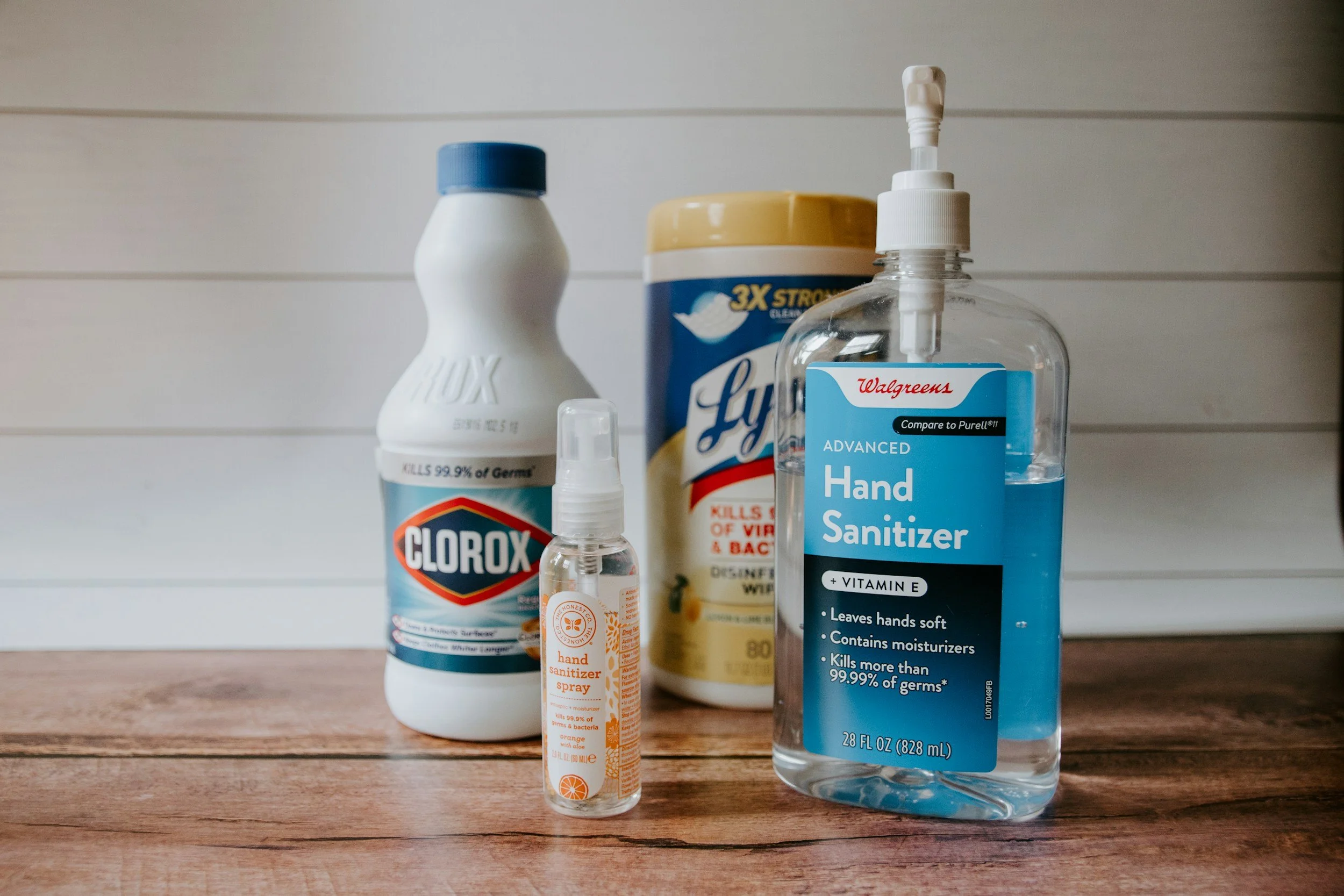
Biocides are products that kill, render harmless, deter, attract or otherwise control the behaviour of living organisms. Common examples of biocidal products are disinfectants, preservatives, insect repellents or rodenticides. They are used in everyday life - in households (cleaning and disinfection) as well as workplaces (e.g. in the food industry, agriculture, healthcare or engineering).
Biocidal products:
control harmful or unwanted organisms through chemical or biological means
do not necessarily kill - the law also covers products that control behaviour or stop the organism's harmful action, such as insect repellents
will typically be a mixture of chemicals and will include at least one 'active substance' (the one that has the controlling effect on the harmful organism)
Given their nature, biocides can be dangerous to human health and to the environment. Strict legal controls are in place covering their supply and use.
The law also regulates what are called 'treated articles', in other words, goods that have been treated with biocidal products, but which are not themselves biocidal products (such as wood that has been treated with a wood preservative to protect the wood from decay, or paint that contains a preservative to prolong its shelf-life).
What are biocides?

The Biocidal Products Regulation (BPR)
Regulation (EU) No 528/2012 concerning the making available on the market and use of biocidal products (BPR) regulates the supply and use of biocidal products. The BPR covers a wide range of product types (PTs) such as disinfectants, pest control products (e.g. rodenticides and insecticides), repellents and preservatives.
Under the BPR, active substances used in biocidal products must be assessed for use in the relevant product type. If approved for use in a particular product type, then biocidal products containing those active substances must be authorised for their supply and use to continue.
The BPR also imposes requirements on the labelling, packaging, advertisement and use of biocidal products. It also contains additional rules for sourcing active substances from a business on the 'Article 95 list' and for treated articles, which are products that incorporate or have been treated with biocides.
From national regimes to an EU-wide system
Biocides regulation in Europe has evolved from a patchwork of national rules to a more harmonised EU-wide system. Prior to the Biocidal Products Directive (BPD), requirements varied significantly between Member States, but the Directive introduced a structured framework for evaluating active substances at EU level while allowing products to remain authorised under national systems.
This approach has been carried forward and strengthened under the BPR, which provides for EU-level approval of active substances and more harmonised product authorisation pathways. However, the transition remains incomplete, as many active substances already on the market at the time of the original Directive are still being assessed under a long-running ‘review programme’, first established under the BPD and continued under BPR. During this period, products containing these substances can often continue to be supplied under national rules, creating a complex regulatory landscape in which legacy national regimes and newer EU processes operate in parallel.
In practice, BPR is one of the most complex product regulatory regimes. Outcomes can have significant implications for market access, product viability and long term portfolio strategy. Understanding not just the legal framework, but how the system operates in practice, is critical to achieving proportionate, defensible and commercially workable compliance.
Active substance approval versus product authorisation: Many regulatory challenges under BPR arise from the distinction between active substance approval and product authorisation. Active substances are assessed and approved at EU (or UK) level, while products are authorised separately. This means that even where an active substance is approved, individual products must still demonstrate safety and efficacy for their intended uses. In practice, this creates multiple regulatory gateways that must be navigated successfully.
Substitution: Certain active substances may be identified as ‘candidates for substitution’ due to their hazard profile. Where this is the case, products containing these substances are subject to comparative assessment, meaning that authorisation may be refused or restricted where suitable alternatives exist. This can have significant implications for product portfolios and long term market strategy.
Data, costs and timelines: Compliance with BPR is data intensive and resource demanding. Active substance approval and product authorisation require extensive data packages covering toxicology, environmental fate and efficacy, and can involve long timelines and significant cost. Delays in the review programme and evolving data requirements can further increase complexity, making early planning and a clear regulatory strategy essential.
Brexit: Following EU exit, the UK operates a separate regime known as GB BPR. While initially aligned, the two frameworks are now diverging, with separate decisions, processes and timelines. Businesses placing products on both markets must therefore manage dual compliance, including separate applications, data considerations and potential divergence in outcomes.
Key challenges
Follow the links below to find consolidated copies of the EU and UK versions of the BPR, as well as guidance published by ECHA and HSE:
Law and guidance



Find out how we help businesses navigate the BPR in the EU and UK, with a focus on practical, proportionate and defensible compliance and regulatory strategy.
Our services
-
BPR compliance assessments, audits and gap analysis, including site visits, review of active substance and product portfolios, supporting documentation and processes, with clear identification of risks, priorities and actions.
-
Inspection and enforcement preparedness, including support in preparing for regulatory inspections and investigations, help with follow-up, and strengthening the evidence base that underpins compliance.
-
Strategic advice on active substance approval and product authorisation, including understanding review programme status, understanding transitional provisions, and practical advice on navigating complex regulatory pathways across multiple markets.
-
Review of product formulations and portfolios to assess regulatory viability, identify risks linked to active substances and support longer-term regulatory and commercial strategy.
-
Practical support for businesses operating across GB and EU regimes, including managing differences in approval processes, timelines and regulatory outcomes.
-
Strategic advice and advocacy, including support with regulatory engagement, consultation responses and positions that are scientifically robust and defensible in practice.
-
Development and strengthening of systems, governance and processes that underpin BPR compliance, ensuring consistency and sustainability across product portfolios and business operations.