DSEAR
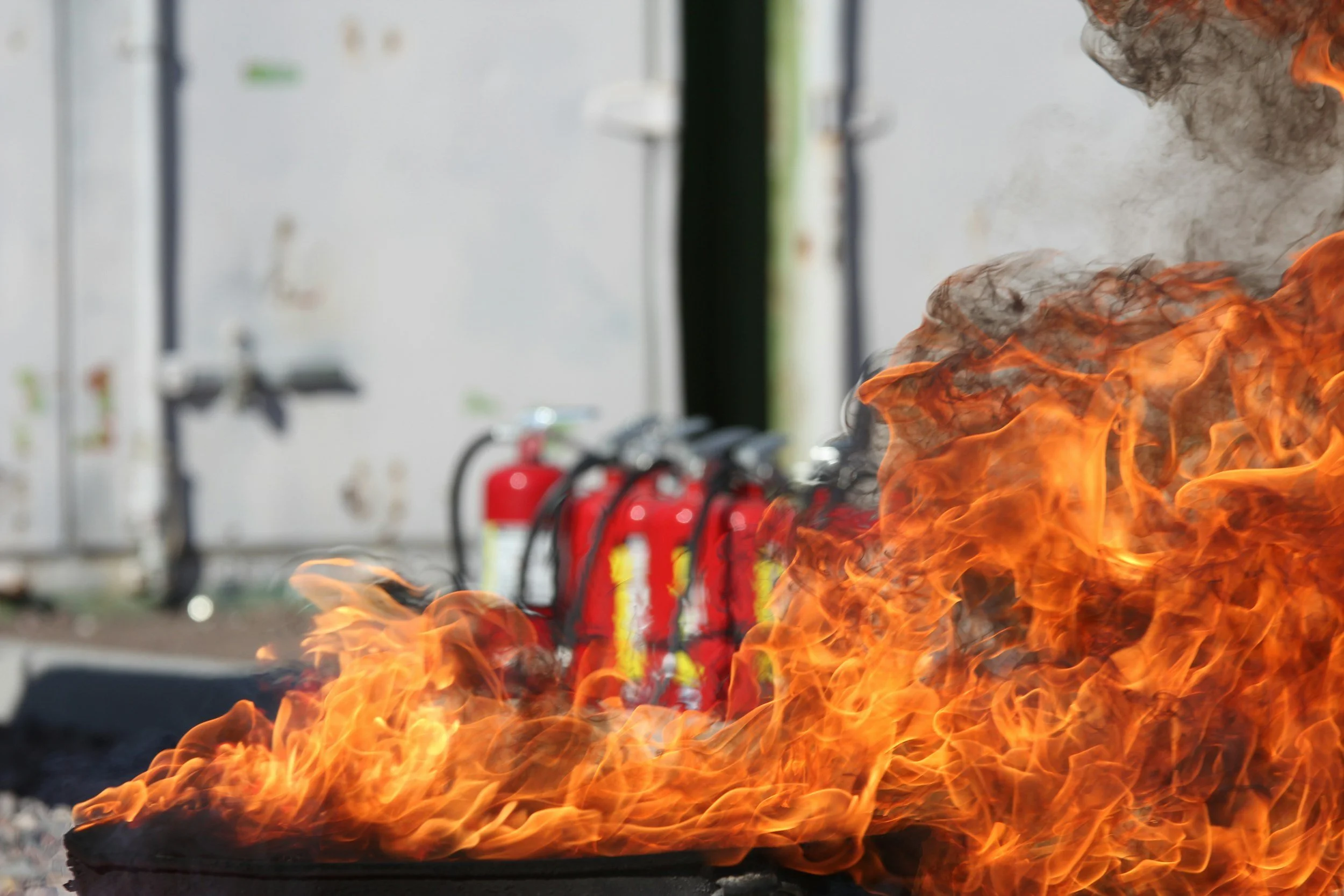
The Dangerous Substances and Explosive Atmospheres Regulations 2002 (DSEAR) is the primary UK regime for managing the risks from fire and explosion arising from the use of dangerous substances in the workplace. It requires employers to assess risks and take measures to prevent fires, explosions and similar energetic events, or to mitigate their consequences where risks cannot be eliminated.
DSEAR gives effect in Great Britain to European Directives on chemical agents and explosive atmospheres (commonly referred to as the ATEX Directives), and continues to reflect those principles following EU exit. It applies across a wide range of sectors wherever flammable or explosive substances are present or used.
About DSEAR
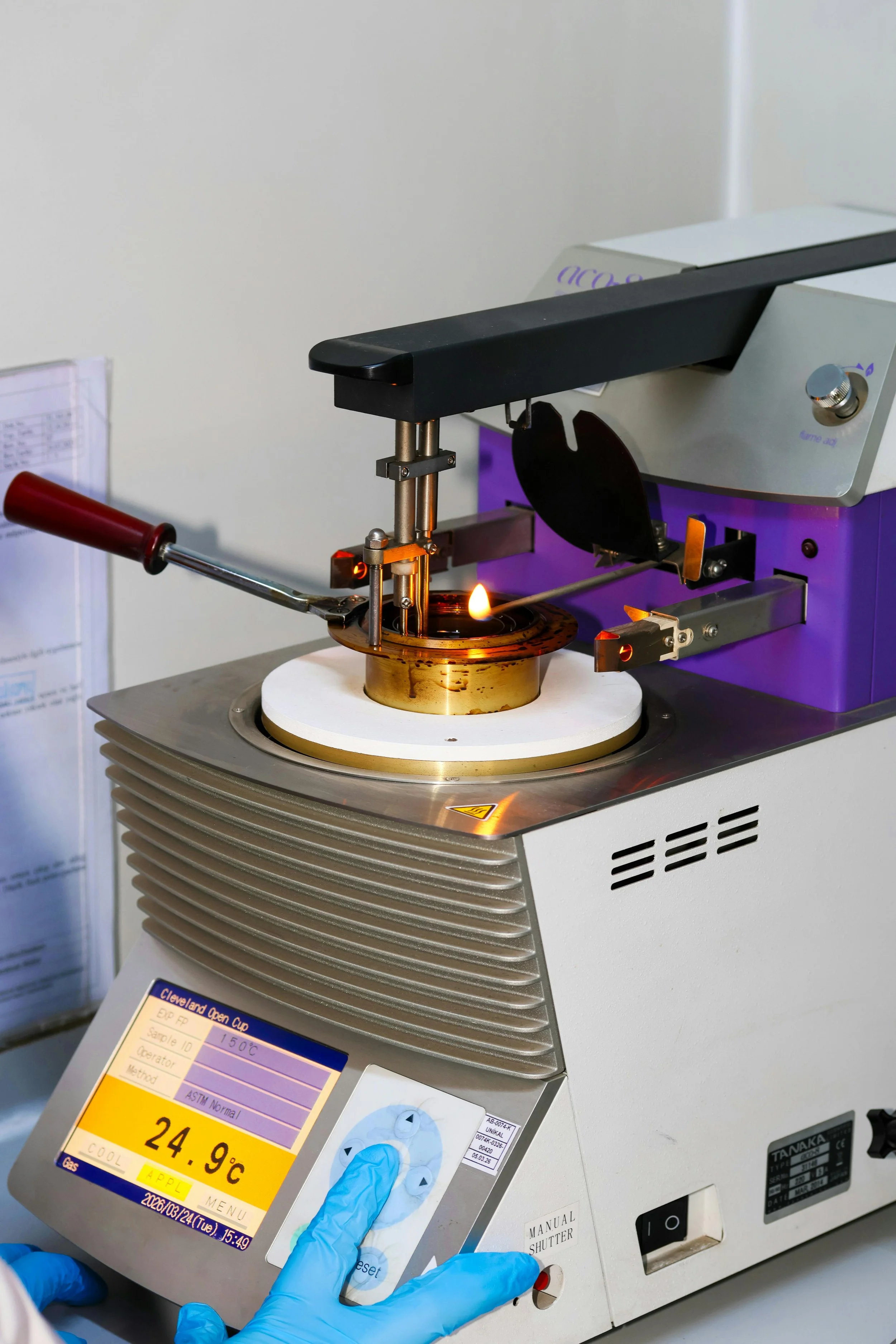
DSEAR applies to ‘dangerous substances’, defined broadly to capture any substance that can create a fire or explosion risk in the workplace or which is corrosive to metals. In practice, this includes:
Substances or mixtures that meet the criteria for classification under any physical hazard class in the CLP Regulation (for example, gases, liquids or solids classified as flammable, oxidising or explosive), whether or not they have actually been classified
Substances which, because of their physico-chemical properties and the way they are used or arise in the workplace, create a risk (for example vapours released during processing or reactive intermediates)
Dusts of any kind which can form explosive atmospheres when dispersed in air
This means DSEAR is not limited to substances placed on the market or formally classified under CLP. It also captures substances generated by work activities and situations where materials that are not inherently hazardous in bulk form can create explosive atmospheres under certain conditions. The focus is therefore on the potential for fire or explosion arising from the actual circumstances of use, rather than on hazard classification alone.
Scope of DSEAR
DSEAR requires employers to manage fire and explosion risks in a structured and systematic way. This includes:
Identifying dangerous substances and assessing the risks they present
Eliminating or reducing risks so far as is reasonably practicable, with control measures being preventative and mitigatory in nature
Identifying and classifying areas of the workplace where explosive atmospheres may occur and avoiding ignition sources in those areas, e.g. by ensuring equipment used in those areas is suitably protected (‘ATEX-rated’)
Providing information, instruction and training to workers
Planning for emergencies
These duties are ongoing and require regular review to ensure that controls remain effective.
Core duties under DSEAR
Relationship with COSHH and other laws
DSEAR sits alongside other regulatory regimes but addresses a distinct set of risks. While COSHH focuses on health effects arising from exposure to hazardous substances, DSEAR focuses on the physical hazards associated with fire and explosion. Often a substance falls within both regimes, requiring integrated risk assessment and control.
Upstream chemical legislation, particularly REACH and CLP, plays an important role in informing DSEAR compliance. CLP provides the basis for identifying substances with relevant physical hazards (such as flammability or explosivity), while REACH requires the generation and communication of information on safe use. This information, typically communicated through the SDS, provides an important starting point for assessing fire and explosion risks under DSEAR. However, as with COSHH, it must be interpreted in the context of how substances are actually used in the workplace.
DSEAR also interacts closely with regimes such as COMAH, where dangerous substances are present in large quantities, and with equipment and workplace requirements derived from the ATEX Directives. In practice, effective compliance depends on recognising how these regimes overlap and ensuring that control measures are consistent and coherent across the wider regulatory framework.
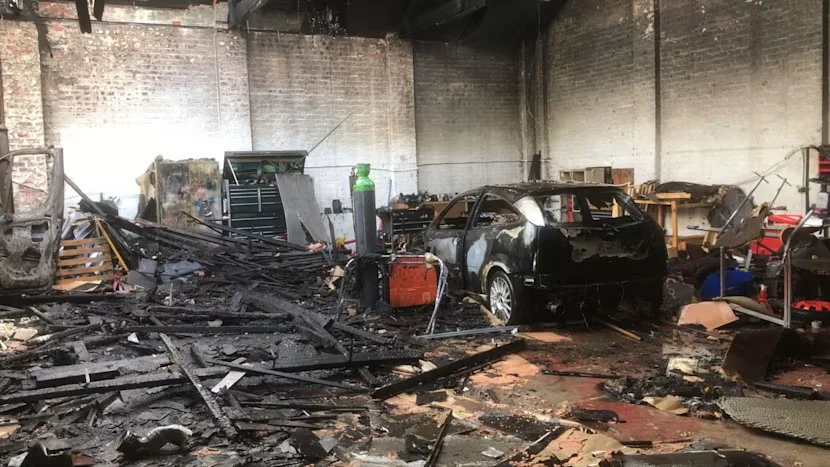
DSEAR is often overlooked or misunderstood by businesses. Yet DSEAR addresses some of the most serious workplace risks, with the potential for catastrophic consequences. Failures in this area can result in major incidents with significant impacts on people, assets and business continuity.
Effective DSEAR compliance requires a combination of regulatory understanding, engineering insight and practical experience of how processes operate. Getting it right is critical not only for regulatory compliance, but for the safe and reliable operation of facilities handling dangerous substances.
Why DSEAR matters
Follow the links below to find copies of the law and guidance published by HSE, the Commission and EU-OSHA:
Law and guidance



Find out how we help businesses identify and manage fire and explosion risks in line with DSEAR, with a focus on practical, proportionate and defensible controls and demonstrating compliance in real workplace conditions.
Our services
-
DSEAR compliance assessments, audits and gap analysis, including site visits, review of supporting documentation, systems and site practices, with clear reporting of findings and priorities for action.
-
Inspection and enforcement preparedness, including support in preparing for regulatory inspections and investigations, help with follow-up, and strengthening the evidence base that underpins compliance.
-
Development and review of DSEAR risk assessments tailored to specific operations, including identification of dangerous substances, factors that influence risk and practical control measures aligned with how work is actually carried out.
-
Advice on preventing or controlling risks through engineering and organisational controls, including ventilation, control of ignition sources, containment and plant and process design.
-
Support with hazardous area classification (ATEX zoning), including identification of Zones 0, 1 and 2 (and dust equivalents) and advising on equipment used in hazardous areas.
-
Development and delivery of DSEAR-related procedures, training and competence frameworks to ensure that employees understand risks and controls and that systems are applied consistently in practice.
-
Advice on planning for incidents involving dangerous substances, including spills, releases and other loss of containment events, and ensuring appropriate procedures and controls are in place.
-
Advice on how DSEAR integrates with COSHH, COMAH and wider process safety controls, ensuring that health, fire and explosion risks are assessed coherently and managed consistently.
-
Development and strengthening of management systems, processes and governance to ensure that DSEAR controls are implemented consistently and remain effective over time.