
COSHH
The Control of Substances Hazardous to Health Regulations 2002 (COSHH) is the primary UK regime for protecting people from the health risks associated with hazardous substances at work. It requires employers to assess risks and ensure that exposure is either prevented or adequately controlled.
COSHH gives effect in the UK to a number of European Directives on the protection of workers from hazardous substances, in particular the Chemical Agents Directive, alongside more specific regimes covering biological agents, carcinogens and mutagens. These frameworks have been retained in UK law following EU exit and continue to underpin the structure and principles of COSHH.
COSHH applies not only to chemicals supplied as products, but also to substances generated by work activities, such as dusts, fumes, vapours. It also applies to biological agents. Its focus is on how substances are used in workplaces and controlling the potential for harm arising from exposure.
About COSHH

COSHH has a broad scope - it applies not only to chemicals supplied as products but also to substances generated by work activities, and to biological agents. It encompasses:
Substances classified as hazardous under CLP
Substances with Workplace Exposure Limits (WELs)
Dusts, fumes, vapours and other substances generated by work processes
Biological agents
Any other substance that can create a risk to health, even if not formally classified
This means COSHH applies more widely than product safety legislation and is not limited to substances as supplied, but to any hazardous substance as used.
Scope of COSHH
COSHH requires employers to manage risks in a structured and proportionate way. In practice, this includes:
Carrying out a suitable and sufficient assessment of the risks from hazardous substances
Preventing exposure where reasonably practicable, or otherwise ensuring exposure is adequately controlled, by applying a hierarchy of control, with additional requirements for carcinogens, mutagens, asthmagens and biological agents
Ensuring that control measures are properly used and maintained
Conducting exposure monitoring and carrying out health surveillance where required
Providing employees with appropriate information, instruction and training
Planning for emergencies
These duties are ongoing and require regular review to ensure that controls remain effective.
Core duties under COSHH

COSHH sits alongside, and is informed by, upstream chemical regulations such as CLP and REACH. These regimes provide information on the hazardous properties of substances and, in many cases, recommended risk management measures.
However, compliance with CLP or REACH does not in itself demonstrate compliance with COSHH. Employers must consider how substances are actually used in their specific workplace, assess real exposure scenarios and implement appropriate controls. In practice, SDS and exposure scenarios provide an important starting point, but further assessment is always required.
Relationship with REACH and CLP
COSHH compliance depends on understanding how hazardous substances are used in real working conditions. This includes considering numerous factors influencing exposure and ensuring that controls are appropriate to the specific circumstances of work.
This requires going beyond generic information provided by suppliers and making site-specific judgements about risk and control. Maintenance, monitoring, health surveillance and training are key to ensuring that measures remain effective over time.
COSHH is one of the most directly relevant and operationally significant areas of occupational health and safety law. It has immediate implications for worker protection and is frequently the focus of regulatory inspections and enforcement action.
COSHH in practice

Follow the links below to find copies of the law and guidance published by HSE and EU-OSHA:
Law and guidance
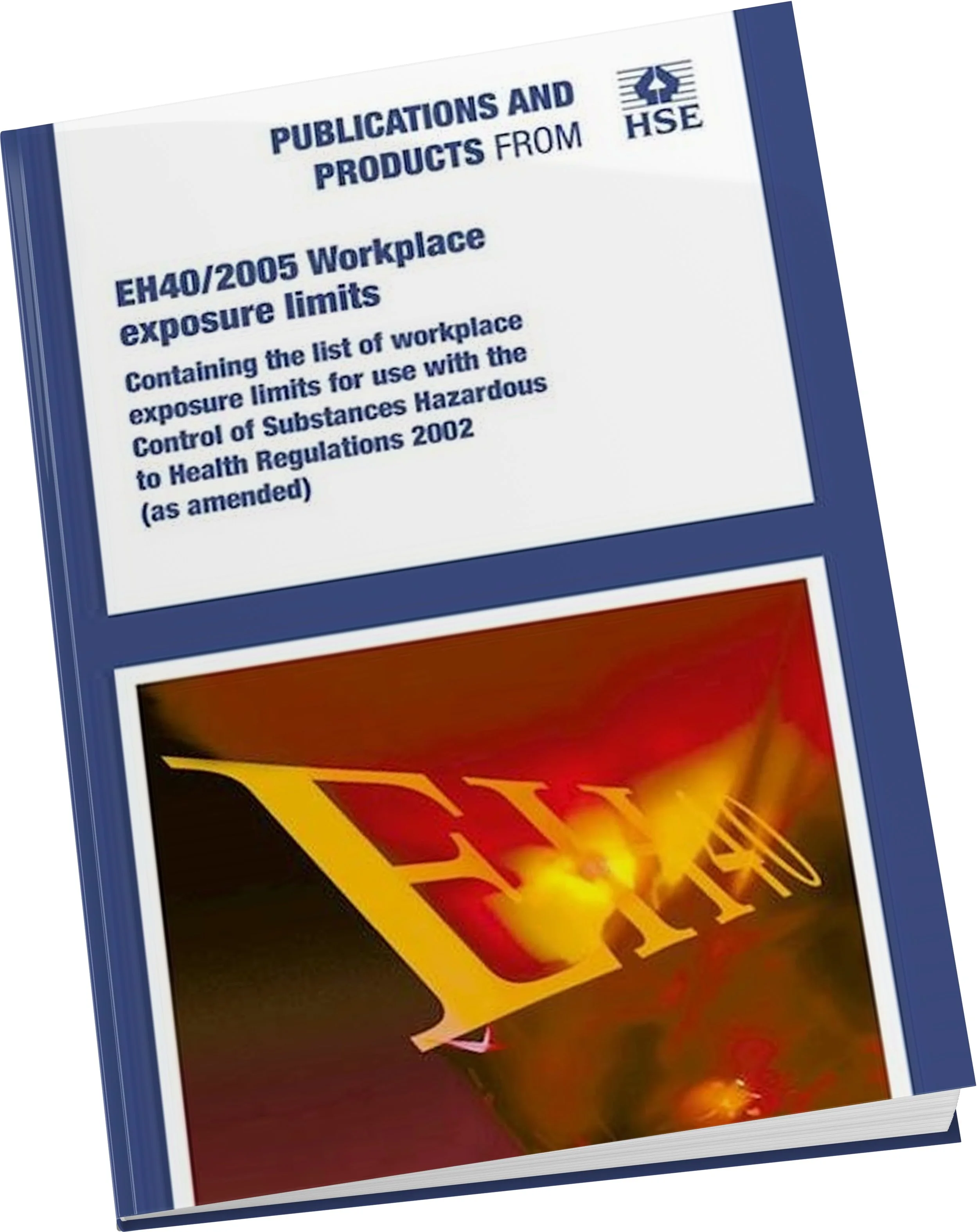


Find out how we help businesses comply with COSHH in practice, with a focus on identifying risks, implementing effective controls and demonstrating compliance in real workplace conditions.
Our services
-
COSHH compliance assessments, audits and gap analysis, including site visits, review of supporting documentation, systems and site practices, with clear reporting of findings and priorities for action.
-
Inspection and enforcement preparedness, including support in preparing for regulatory inspections and investigations, help with follow-up, and strengthening the evidence base that underpins compliance.
-
Development and review of COSHH risk assessments tailored to specific operations, including identification of hazardous substances, factors that influence risk and practical control measures aligned with how work is actually carried out.
-
Advice on preventing or adequately controlling exposure, including application of the hierarchy of control, identification of suitable controls and development of proportionate, effective risk reduction strategies.
-
Advice on exposure monitoring and verification of control effectiveness, and identifying where health surveillance is required, developing appropriate, proportionate programmes accordingly.
-
Development and delivery of COSHH-related procedures, training and competence frameworks to ensure that employees understand risks and controls and that systems are applied consistently in practice.
-
Advice on planning for incidents involving hazardous substances, including spills, releases and exposure events, and ensuring appropriate procedures and controls are in place.
-
Support in interpreting SDS and exposure scenario information and applying it in the workplace and identifying gaps between supplier information and actual use. Advice on how COSHH interfaces with DSEAR, COMAH and environmental regimes, ensuring risks are assessed coherently and control measures are aligned across overlapping regulatory requirements.
-
Development and strengthening of systems, processes and governance that underpin COSHH compliance, ensuring consistency, accountability and ongoing effectiveness.