
What’s in recycled plastics? OECD highlights the challenges
On 13 April 2026, the OECD published a detailed report in its Series on Risk Management of Chemicals examining how to validate the chemical content of recycled plastics across different applications and regulatory regimes. The report highlights a critical issue at the intersection of circular economy policy and chemical safety regulation: ensuring that recycled materials do not reintroduce or concentrate substances of concern.
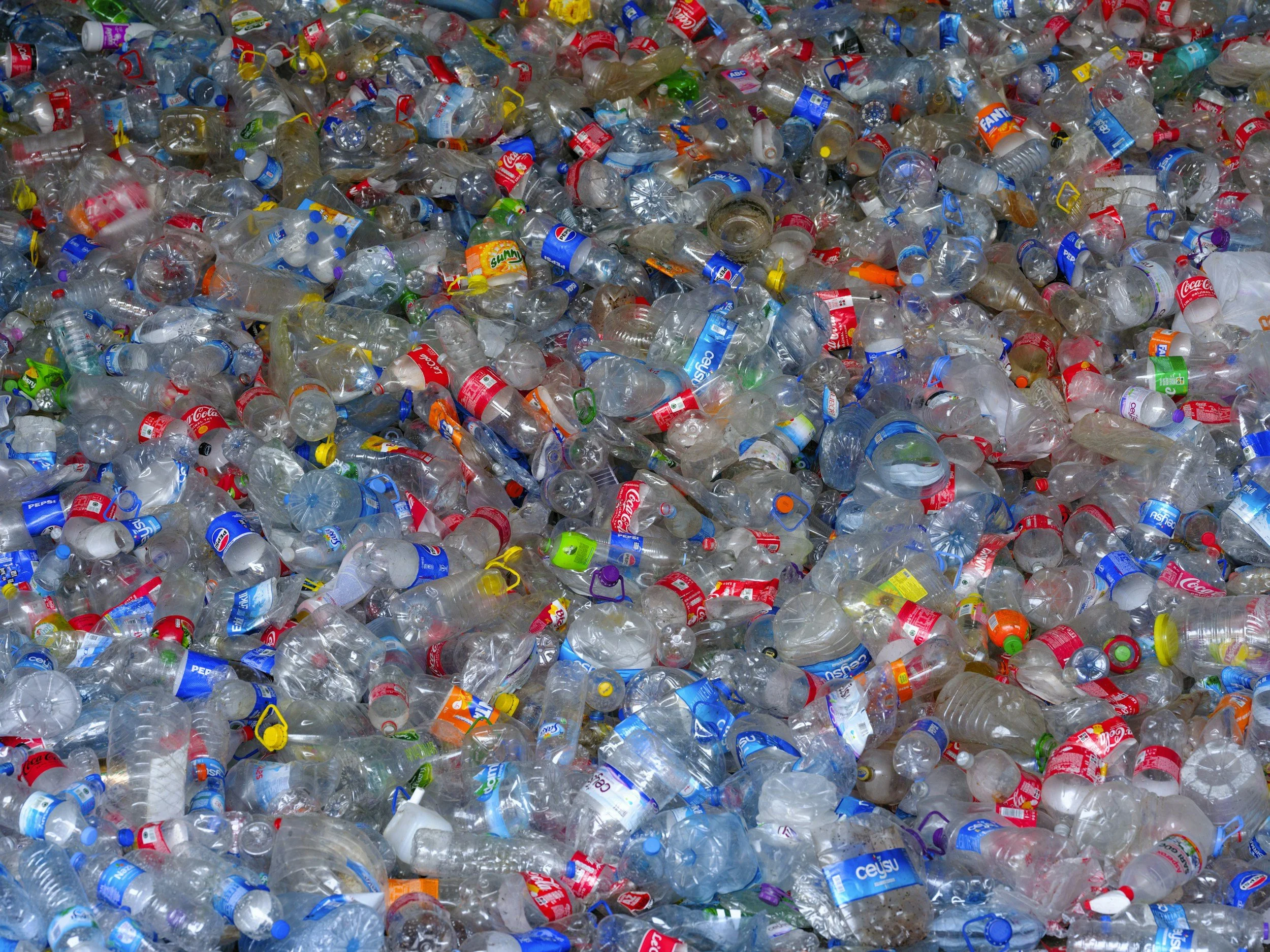
A central finding is the sheer complexity of the material itself. Plastics can contain thousands of intentionally and non‑intentionally added substances (NIAS), including legacy additives, impurities and degradation products. These substances may accumulate, transform or carry over through successive use and recycling cycles. This presents significant challenges, particularly for post-consumer waste streams, where material composition is inherently heterogeneous and often poorly characterised.
The OECD report provides a useful mapping of the fragmented framework of standards, certification schemes and legislation relevant to recycled plastics. It identifies a range of voluntary and technical standards, including EN 15343 and related characterisation standards, ISO 15270, ASTM D5577‑19 and industry-led certification schemes such as RecyClass and ISCC. These sit alongside EU legislative requirements under REACH, RoHS, the Food Contact Materials Regulation, the Recycled Plastics Regulation (EU) 2022/1616, the Toy Safety Directive and the Waste Framework Directive.
Taken together, this landscape illustrates that chemical safety in recycled materials is not governed by a single regime, but instead spans multiple regulatory frameworks, each with its own scope, triggers and evidential requirements. For businesses, this creates a need for careful alignment between waste management, product compliance and chemicals legislation.
From a technical perspective, the OECD highlights the limitations and evolving nature of analytical methods for recycled plastics. A range of approaches are used in practice, including chromatographic and spectrometric techniques such as GC‑MS, LC‑MS, ICP‑MS, XRF and FTIR, alongside thermal analysis methods. In many cases, these are combined with targeted and non-targeted screening, migration studies and challenge testing to assess the presence and behaviour of substances of concern.
These substances include well-established priorities such as phthalates, bisphenols, brominated flame retardants and heavy metals, as well as emerging issues including PFAS and volatile NIAS. The report makes clear that analytical capability, while advancing, is not yet fully aligned with the complexity of the material, contributing to uncertainty in both compliance and risk assessment.
The report also identifies a series of practical barriers to comprehensive chemical content validation, spanning financial, technical and regulatory constraints. These include the cost and availability of testing, limitations in analytical standards and methods, gaps in information transfer along the supply chain and inconsistencies between regulatory requirements.
In response, the OECD outlines a set of potential policy and industry actions, including:
simplifying chemical design upstream to reduce problematic additives
improving transparency and data sharing, including through digital product passports
strengthening source separation and closed-loop recycling systems
investing in analytical capacity and laboratory capability
progressing towards harmonised standards and test protocols for chemical analysis and traceability
Overall, the report positions chemical content validation as a prerequisite for scaling recycled content without increasing risks to human health and the environment. It also signals a likely direction of travel towards greater traceability, more consistent analytical expectations and closer alignment across jurisdictions.
For businesses, particularly those placing recycled materials or products on the market, the implications are clear. Expectations around evidence, traceability and chemical understanding are increasing. Compliance can no longer rely solely on material specifications or declarations but will increasingly require robust data, testing strategies and supply chain visibility.
Further information: OECD report https://www.oecd.org/content/dam/oecd/en/publications/reports/2026/04/chemical-content-validation-of-recycled-plastics_989dd186/7c862db6-en.pdf